
The Two Pillars of Creator Monetization
Content creators in 2026 have two primary ways to earn money from their influence: affiliate marketing (performance-based commissions) and sponsorships (flat-fee brand deals). Most successful creators use both, but understanding when each one makes sense -- and which pays more at different stages -- is critical to maximizing your income.
The affiliate marketing industry is worth $42.6 billion globally in 2026, while the creator sponsorship market is estimated at $21 billion. Both are growing, but affiliate marketing is growing faster because brands increasingly prefer paying for actual results rather than paying for content with uncertain ROI.
How Each Model Works
Affiliate Marketing
- You share unique tracking links for products you recommend
- You earn a commission when someone purchases through your link
- Income is directly tied to the sales you drive
- No negotiation or contracts required -- just sign up and start sharing
- Get started with Linklii and generate links immediately
Sponsorships
- A brand pays you a flat fee to create content featuring their product
- Payment is based on your audience size, engagement rate, and content quality
- Income is guaranteed regardless of sales generated
- Requires negotiation, contracts, and often content approval
- Typically involves deliverables: specific posts, stories, or videos
Income Comparison by Audience Size
This is where it gets interesting. The optimal monetization strategy changes dramatically based on your audience size.
| Audience Size | Avg. Monthly Affiliate Income | Avg. Sponsorship Rate (per post) | Sponsorship Frequency | Total Monthly Sponsorship Income | Better Strategy |
|---|---|---|---|---|---|
| 1,000-5,000 | $100-500 | $50-250 | 0-1/month | $0-250 | Affiliate |
| 5,000-10,000 | $300-1,500 | $200-500 | 1-2/month | $200-1,000 | Affiliate |
| 10,000-50,000 | $1,000-5,000 | $500-2,500 | 2-4/month | $1,000-10,000 | Mixed |
| 50,000-100,000 | $3,000-10,000 | $2,000-7,500 | 3-5/month | $6,000-37,500 | Depends on niche |
| 100,000-500,000 | $5,000-25,000 | $5,000-25,000 | 4-8/month | $20,000-200,000 | Sponsorships (but keep affiliate) |
| 500,000+ | $10,000-100,000+ | $10,000-100,000+ | 5-10/month | $50,000-1M+ | Both, heavily |
Key takeaway: For creators under 50,000 followers, affiliate marketing typically generates more total income because there are no gatekeepers and earnings compound with content volume. For larger creators, sponsorships become more lucrative, but smart creators never abandon affiliate income.
Detailed Pros and Cons

The Best of Both Worlds
The most successful creators use affiliate marketing as their reliable baseline income and treat sponsorships as bonuses. This mindset prevents accepting poorly-paying deals out of desperation.
Affiliate Marketing Pros
- No audience minimum -- Start earning with any follower count
- Passive income -- Old content continues generating revenue indefinitely
- Full creative control -- No brand approval, no required scripts
- Unlimited earning potential -- No cap on commissions
- Authentic content -- Promote products you actually use
- Scalable -- More content = more earning potential
- Data-driven -- Real-time analytics show exactly what works
- Quick to start -- Sign up today, earn tomorrow
Affiliate Marketing Cons
- Unpredictable income -- Earnings fluctuate based on audience behavior
- Requires consistent content -- Need to keep creating to keep earning
- Lower per-post earnings -- Individual posts earn less than a sponsorship
- Return risk -- Product returns reduce your commissions
- Cookie limitations -- Short cookie windows can miss delayed purchases
Sponsorship Pros
- Guaranteed payment -- Flat fee regardless of sales performance
- Higher per-post value -- Single posts can earn thousands
- Relationship building -- Long-term brand partnerships
- Content portfolio -- Professional branded content enhances your portfolio
- Negotiation upside -- You can raise rates as you grow
Sponsorship Cons
- Audience minimum -- Most brands require 5,000-10,000+ followers
- Time-intensive -- Negotiations, contracts, approvals can take weeks
- Limited creative freedom -- Brands often dictate content requirements
- Infrequent opportunities -- May only get 1-2 deals per month (or none)
- One-time payment -- No ongoing income from the content
- Audience fatigue -- Too many #ad posts can erode trust and engagement
The Hybrid Strategy: Maximizing Both Income Streams
The most successful creators do not choose between affiliate marketing and sponsorships. They use both strategically.
How to Balance Both:
Content Ratio: Aim for a 70/30 or 80/20 split between organic content (including affiliate recommendations) and sponsored content. Too many sponsorships erodes audience trust.
Negotiate Affiliate Components into Sponsorships: When negotiating a sponsorship deal, ask for an affiliate link in addition to the flat fee. This gives you upside -- if the sponsored content drives significant sales, you earn on top of your flat rate.
Use Affiliate Performance to Land Sponsorships: Your affiliate sales data is powerful proof of your ability to drive purchases. When pitching brands, show them your Linklii analytics to demonstrate your conversion rates and sales volume.
Affiliate as Baseline, Sponsorships as Bonuses: Think of your affiliate income as your reliable baseline income and sponsorships as bonuses that come on top. This mindset reduces financial stress and prevents you from accepting poorly-paying sponsorship deals out of desperation.
When Affiliate Marketing Pays More
Affiliate marketing outperforms sponsorships in these specific scenarios:
- You have a small but highly engaged audience (under 10,000 followers with 5%+ engagement)
- You are in a high-commission niche (beauty, tech, software)
- You create evergreen content (blog posts, YouTube videos that get views for years)
- You have built strong audience trust (high conversion rates above 3%)
- You post frequently (daily content across multiple platforms)
When Sponsorships Pay More
Sponsorships outperform affiliate marketing in these scenarios:
- You have a large audience (50,000+ followers)
- You are in a premium niche (luxury, travel, automotive)
- You have strong visual branding (brands pay premium for aesthetic content)
- You can negotiate long-term deals (monthly retainers, annual contracts)
- You have a media kit and track record (professional packaging of your value)
Building Your Income Over Time: A Realistic Timeline
| Stage | Timeline | Primary Income | Secondary Income | Total Monthly Range |
|---|---|---|---|---|
| Getting Started | Month 1-3 | Affiliate marketing | None | $100-500 |
| Building Traction | Month 4-8 | Affiliate marketing | First sponsorships | $500-2,000 |
| Established | Month 9-18 | Mix of both | Growing sponsorship rates | $2,000-8,000 |
| Full-Time Creator | Month 18-36 | Sponsorships + Affiliate | Courses/consulting | $5,000-25,000 |
| Authority | Year 3+ | Diversified | Multiple streams | $10,000-100,000+ |
Notice that affiliate marketing comes first in every creator's journey. It is the monetization strategy that does not require you to wait for brands to come to you.
Start Building Your Affiliate Income Today
Create your free Linklii account and start earning commissions while you build toward sponsorship deals.
Create Free AccountHow to Get Started with Both
Start with Affiliate Marketing Today:
- Create your free Linklii account
- Browse and select products that match your niche
- Generate tracking links and start sharing
- Build your creator page as a hub for recommendations
- Track everything in your analytics dashboard
- Create your free Linklii account
- Browse and select products that match your niche
- Generate tracking links and start sharing
- Build your creator page as a hub for all your recommendations
- Track everything in your analytics dashboard
Prepare for Sponsorships:
- Build your affiliate track record (brands love creators who can prove sales)
- Create a media kit with audience demographics and engagement rates
- Document your affiliate sales data as proof of influence
- Reach out to brand partners once you have conversion data to share
- Start with smaller brands and work your way up
The Income Trajectory
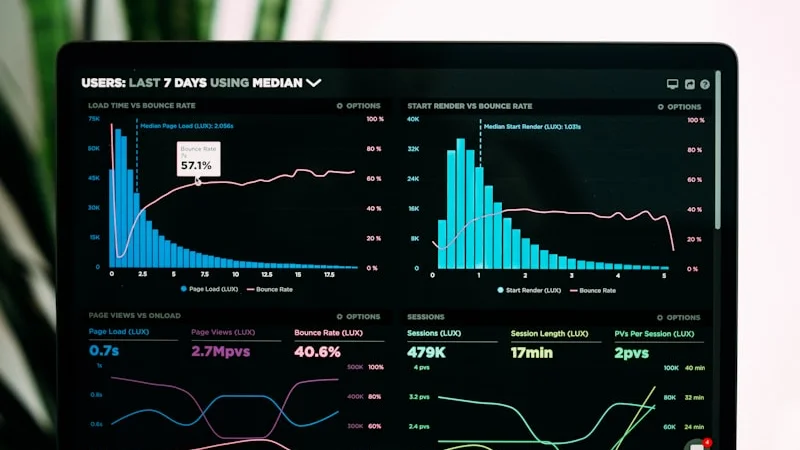
Affiliate marketing starts paying from day one. Sponsorships require building credibility first. The smartest creators use affiliate sales data to prove their value and land higher-paying sponsorship deals.
Frequently Asked Questions
Can I do affiliate marketing and sponsorships for the same brand?
Yes, and this is often the best arrangement. Ask for an affiliate link as part of your sponsorship deal so you earn commissions on top of your flat fee.
Do brands prefer affiliates or sponsored posts?
It depends on the brand. Performance-oriented brands (DTC, e-commerce) increasingly prefer affiliate models because they only pay for results. Brand-awareness focused companies prefer sponsorships. Many brands offer both.
How do I disclose affiliate links vs sponsorships?
Both require FTC disclosure. Use "affiliate link" or "I earn a commission" for affiliate content. Use "paid partnership" or "#ad" for sponsorships. When combining both, disclose both relationships.
Should I lower my sponsorship rate if I am also earning affiliate commissions?
No. Your sponsorship rate reflects the value of your content and audience access. Affiliate commissions are separate compensation for driving sales. They are different value propositions.
At what point should I stop doing affiliate marketing and focus only on sponsorships?
Never. Even the highest-earning creators maintain affiliate income because it provides passive, ongoing revenue that sponsorships do not. Sponsorship income stops when you stop creating sponsored content. Affiliate income from old content can last for years.
How do I track income from both sources?
Keep separate records for each. Your Linklii dashboard tracks all affiliate income automatically. For sponsorships, use a simple spreadsheet tracking brand, deliverables, payment, and dates.
Ready to start earning?
Join Linklii today and turn your content into income. Free to join, transparent commissions, instant tracking.